Identify Problems Before Trees Become Hazards
Tree Health & Risk Assessments in Marion for properties where trees show signs of disease, structural weakness, or damage that could lead to failure during storms
High Vision Tree Services LLC conducts tree health and risk assessments to identify diseased, damaged, or structurally compromised trees that pose safety concerns to homes, vehicles, utility lines, and people. You need this service when trees develop visible symptoms such as dead limbs, leaning trunks, hollow cavities, fungal growth, or cracked bark that suggest internal decay or instability. In Marion, North Carolina, storm exposure, soil conditions, and pest activity all contribute to tree decline, and early detection allows you to address problems before limbs or entire trees fail.
The assessment process includes inspecting the trunk, root zone, canopy, and surrounding soil for signs of stress, disease, or mechanical damage. Common issues include root rot, beetle infestations, lightning strikes, frost cracks, and decay caused by wood-boring insects or fungal pathogens. Trees are evaluated for lean angle, branch attachment strength, and proximity to structures or high-traffic areas. Recommendations are provided for treatment, pruning, cabling, or removal depending on the severity of the condition and the level of risk.
If you have concerns about a specific tree or want a full property evaluation before storm season, contact High Vision Tree Services LLC to schedule an assessment and receive a written summary of findings.
What Is Examined and What You Learn From the Report
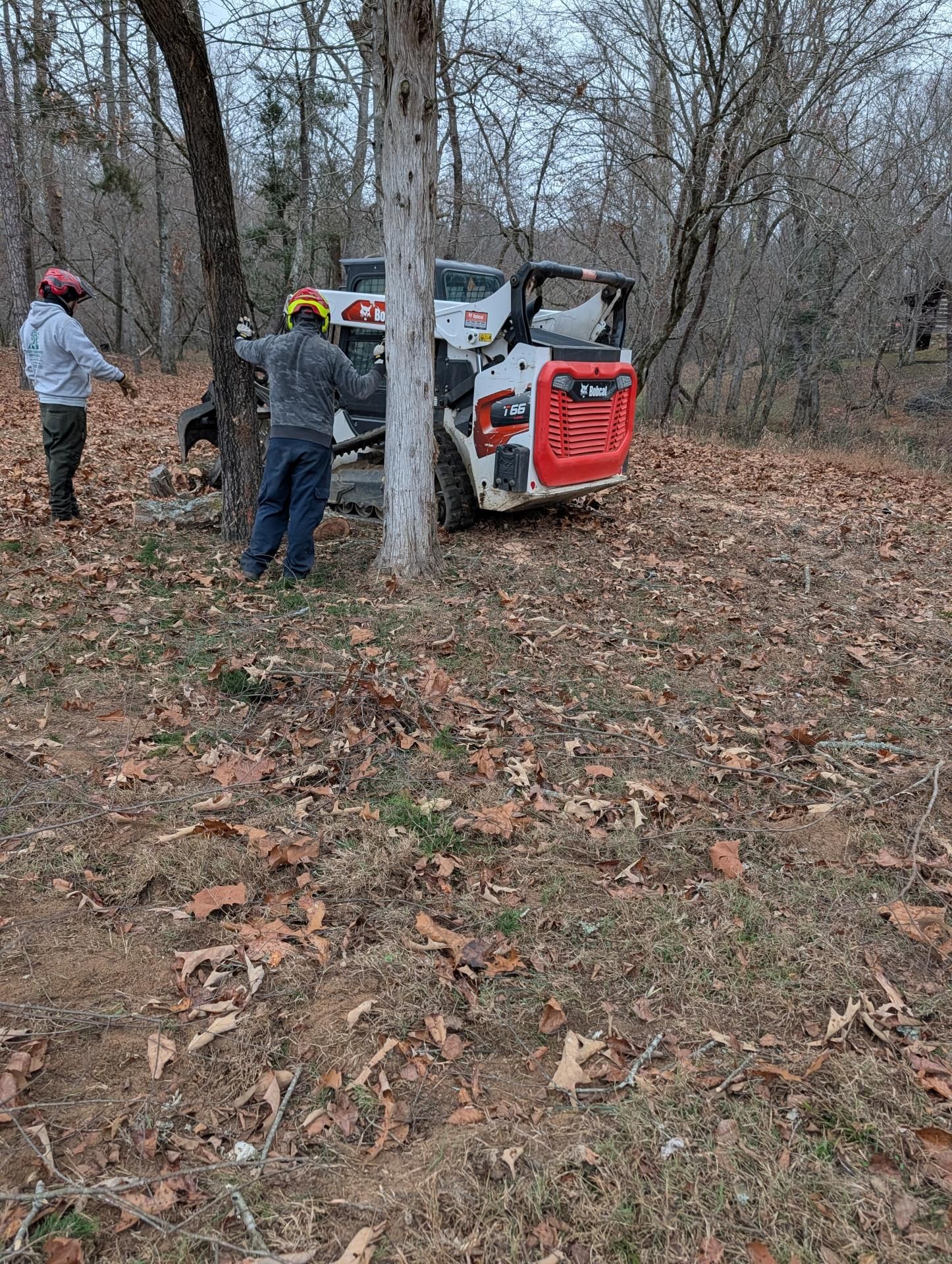
You receive a detailed inspection that covers root stability, trunk integrity, branch structure, and canopy health. The arborist looks for cracks, splits, peeling bark, discolored leaves, dieback, insect holes, fungal conks, and soil heaving around the base. Tools such as probes, mallets, and resistance drills may be used to assess wood density and detect internal rot that is not visible from the outside.
After the inspection, High Vision Tree Services LLC provides a report that describes each tree's condition, explains the risks identified, and recommends corrective actions. You will know which trees are safe, which need monitoring, and which should be removed or treated immediately. The report also notes contributing factors such as poor drainage, compacted soil, or construction damage that may have weakened the tree over time.
Risk assessments are useful for homeowners planning renovations, property managers evaluating liability, and buyers inspecting a new property before closing. Early detection of pests such as emerald ash borer or southern pine beetle allows for treatment or removal before infestations spread to neighboring trees. Assessments do not include pruning, removal, or treatment work unless scheduled separately after the findings are reviewed.
What Property Owners Want to Know About Assessments
Homeowners and property managers in Marion often ask what signs indicate a tree needs evaluation, how long the process takes, and what happens if a tree is deemed hazardous. These answers reflect common scenarios seen during inspections.
What visible signs suggest a tree is unhealthy or unsafe?
Dead or broken branches, cracks in the trunk, mushrooms growing at the base, leaning after storms, large cavities, peeling bark, and discolored or undersized leaves all indicate potential problems that warrant professional assessment.
How is risk level determined during an assessment?
Risk is based on the tree's structural condition, proximity to targets such as homes or power lines, and likelihood of failure during wind, ice, or heavy rain events. A tree with decay near a driveway poses higher risk than one in an open field.
Why do some trees decline suddenly after years of appearing healthy?
Internal decay, root damage, or pest infestations often progress unnoticed until a triggering event such as drought, storm, or construction exposes the weakness. By the time symptoms appear, the damage may already be advanced.
When should assessments be scheduled to catch problems early?
Assessments are most useful in late winter or early spring before leaf-out, when branch structure and trunk defects are easier to see. Post-storm inspections should be conducted immediately to identify new damage before conditions worsen.
What happens if a tree is found to be hazardous in Marion?
Recommendations may include immediate removal, crown reduction to lower weight and wind resistance, cabling to support weak limbs, or monitoring if the risk is low and the tree can be managed over time.
High Vision Tree Services LLC works with homeowners, property managers, and real estate professionals who need reliable assessments backed by clear findings and practical recommendations. Reach out to schedule an inspection and receive guidance on managing tree health and reducing risk across your property.